
Article Masthead
- Category: Policy & Regulation
- Topic: Produced Water Reuse Policy
- Region: North America
- Signal Type: Public Hearing / Regulatory Direction
- Published Date: 2026-09-14
- Original Source Date: 2026-09-14
01 What Happened
Texas House Committee on Energy Resources 于 9 月 14 日举行 public hearing,审议多个 interim charges,其中一项专门聚焦 produced water。委员会在 hearing notice 中明确要求审查:Texas produced water 的利用情况、beneficial reuse mechanisms 的推进进展、deployment barriers 与 financial impediments、近期 legislation 是否有效处理了 liability concerns 并简化 permitting,以及如何提出建议以鼓励更广泛地利用这一资源。
这样的表述非常关键,因为它把讨论从单一 treatment technology 问题,推进到了更完整的资源治理问题。Texas 现在并不只是问“produced water 能不能被处理”,而是在问:在 treatment technologies、pilot projects 和政策兴趣都已经推进的情况下,为什么大规模 beneficial reuse 仍然推进缓慢?
在 oil and gas basins 中,produced water 往往具有极高 TDS,同时还可能伴随 hardness、hydrocarbons、metals、suspended solids 以及其他复杂污染物。因此,treatment 本身仍然技术难度高、而且高度 site-specific。但 hearing agenda 说明,water chemistry 只是问题的一部分。
当委员会明确点出 deployment barriers、financial impediments、liability concerns 和 permitting 时,其实已经把 produced water 视为一个同时涉及 treatment 与 governance 的议题。这对水行业来说是一个重要信号。
02 Key Takeaways
01 Texas 通过 9 月 14 日的 public hearing,把 produced water 重新推回政策议程,并明确聚焦 reuse、barriers、liability 和 permitting。
02 这场 hearing 传递出的核心信号是:produced water 不再只是 treatment technology 议题,同时也是 policy、ownership 与 economics 议题。
03 真正的市场转折点不在“有没有处理技术”,而在于 reuse 所需的 risk allocation、permitting pathway 与 commercial structure 是否足够清晰。
03 Why It Matters
在干旱的油气产区,produced water 长期以来都被描述为一种潜在 water resource。原因并不难理解:规模大、现成存在、处置成本高,而且 drought pressure 持续提高 alternative supplies 的吸引力。但现实是,大规模 reuse 的推进速度一直慢于市场宣传。
原因就在于,“这股水能不能处理”只是第一问。接下来的问题往往更难:处理后的水权属如何界定?如果 reused water 造成损害,谁承担 liability?哪些 end uses 在法律上和政治上可接受?谁来承担 treatment 与 distribution infrastructure 的投资?不同 reuse scenario 对应的 permitting pathway 又是什么?
这些问题会直接影响项目是否具有 bankability 与可部署性。一个技术上看起来很漂亮的 process,如果拿不到稳定可预期的 permit,或者 end users 不愿意承担 residual legal risk,亦或者一旦计入 transport、concentrate management 与 reliability obligation 后 economics 就迅速恶化,那么它仍然很难跨过 pilot stage。
因此,对水行业来说,这次 Texas hearing 的意义在于:它释放出一个信号——下一阶段 produced water reuse 的竞争,不会只看 treatment potential,而会更多由 liability、permitting 与商业分配机制来决定。
04 ATLAS Engineering View
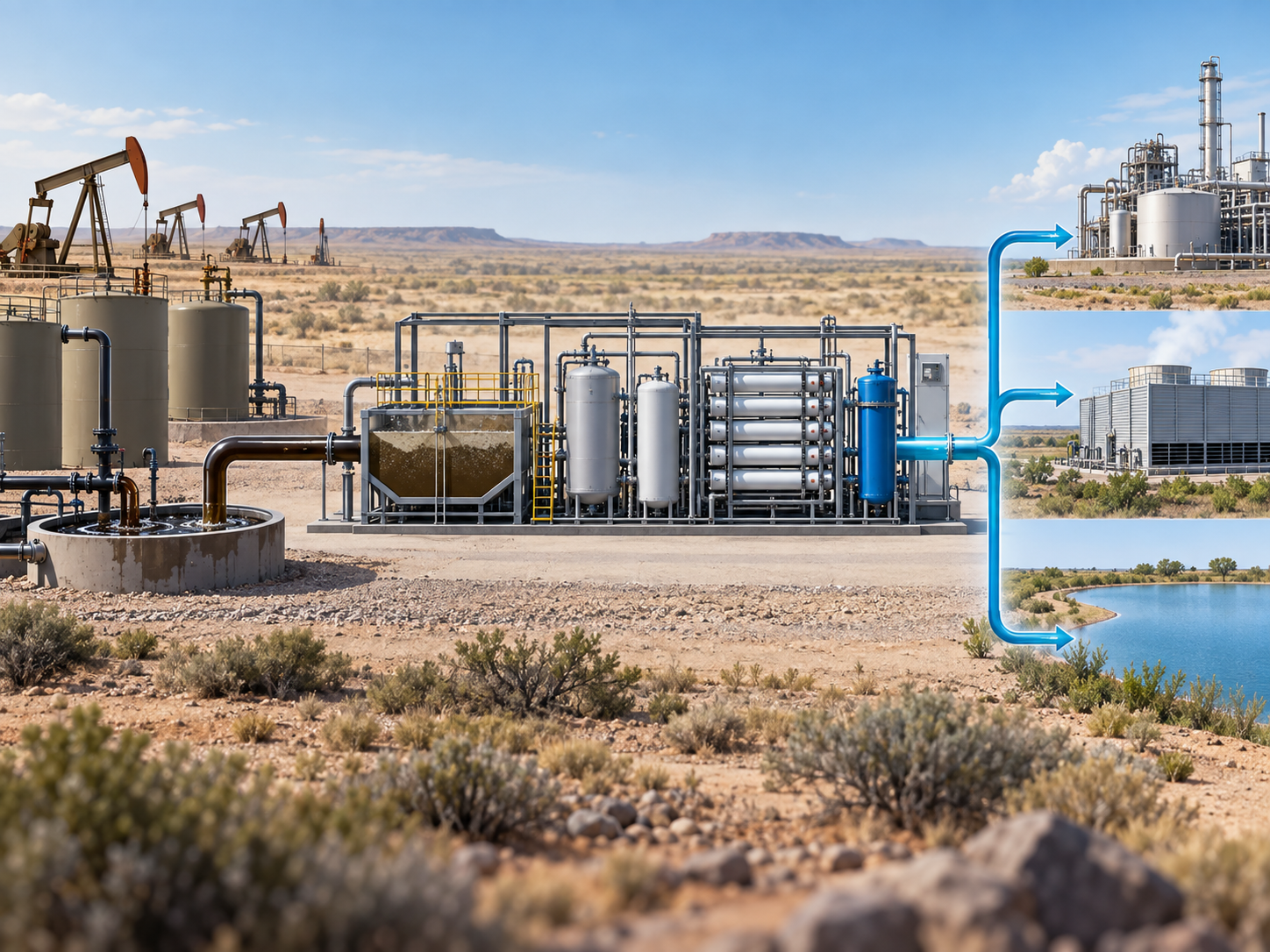
从 ATLAS 工程角度看,produced water reuse 必须作为一个 integrated system 来评估,而不是把它理解成一套孤立的 treatment skid。
第一层是 chemistry。Produced water 的水质会随着 basin、well type、生产阶段和处理历史而显著变化。High salinity、scaling potential、organics、trace metals 和 residual treatment chemicals 都会改变 process selection。因此,pretreatment、desalination、polishing 与 residuals management 必须被放在一个完整流程里统筹考虑,而不是后补模块。
第二层是 fit-for-purpose reuse。并不是所有处理后的水都需要达到同样终点。用于 hydraulic fracturing support、industrial process water、dust suppression、cooling、agricultural applications 或 environmental discharge,对应的是完全不同的 water-quality targets、monitoring regime 和 liability profile。相比假设存在一种普适的“clean water”结果,fit-for-purpose framework 往往更现实。
第三层则是非技术风险。Concentrate disposal、pipeline 或 trucking 成本、storage、季节性需求错配、公众接受度,以及 off-spec water 的责任归属,都可能决定一个项目是否能走出 pilot scale。
这也正是 Texas committee wording 如此重要的原因:当 lawmakers 在同一份 hearing notice 里同时强调 beneficial reuse、barriers to deployment、financial impediments、liability 和 permitting,等于默认承认 produced water reuse 已不只是 engineering problem,而是一个完整的 water-resource governance problem。
05 Sources
图片来源与使用说明
ATLAS 工程概念图:produced-water treatment 与 fit-for-purpose beneficial reuse 路径。
- Credit: ATLAS WTS original engineering concept illustration.