Article Masthead
- Category: Market Intelligence
- Topic: Data Center Wastewater
- Region: North America
- Signal Type: Regulatory and Water-Quality Signal
- Published Date: 2026-09-08
- Original Source Date: 2026-09-08
01 What Happened
9 月 8 日 Guardian 调查把一个正在上升的数据中心议题推到前台:除了设施消耗多少水,construction 和 operation 期间究竟有什么进入 municipal wastewater systems 或 receiving waters,也正在成为监管重点。
当前最受关注的案例之一是 Wyoming Cheyenne 正在建设的 Meta data-center campus。City of Cheyenne Board of Public Utilities 在 7 月向承包商 Goat Systems 发出 Significant Noncompliance notice,涉及 fill-and-flush wastewater 中检测出的 Cupriavidus gilardii。BOPU 表示,该 discharge 对两座 wastewater plants 和 recycled-water system 造成 pass-through 与 interference violations。Goat Systems 已提出 appeal;Meta 则表示承包商独立检测未发现该细菌,并质疑城市检测结果。
因此必须明确:Cheyenne 是正在申诉中的 formal regulatory dispute,不能写成对已建成 data center 或未来 operating wastewater 的最终定论。
但更大的趋势确实存在。Data-center construction 会产生 hydrostatic-test 和 pipe-flushing water;运营阶段可能产生 cooling-system blowdown、water-treatment residuals 以及其他 wastewater streams。Guardian 同时梳理了多个州围绕 metals、PFAS 和 thermal discharge 的争议,不过各案例法律状态不同,不能混为一谈。
监管也开始更加重视 industrial wastewater characterization。Virginia 修订后的 VPDES 规则将于 9 月 9 日生效,要求 POTWs 对若干高 PFAS 风险 industrial users 实施季度 PFAS discharge monitoring。Data centers 并没有被该条款自动列为统一类别,但这一规则体现了更大的趋势:source-specific characterization 与 pretreatment oversight 正在加强。
02 Key Takeaways
01 数据中心的 water scrutiny 正从 consumption volume 扩展到 wastewater quality 和 discharge characterization。
02 Cheyenne 是正式 utility enforcement action,但目前仍在 appeal,Meta 对细菌检测结果提出异议。
03 未来 data-center water planning 需要把 wastewater characterization、pretreatment compatibility 和 discharge monitoring 与供水和冷却设计一起考虑。
03 Why It Matters
Data centers 常被当成 cooling-water problem,这并不完整。任何接入 municipal sewer 或 direct-discharge permit 的大型 campus,同时也是 wastewater-characterization problem。
施工和 commissioning water 可能含有 sediment、corrosion products、biocides、cleaning chemicals 或 microbial growth;运营后的 cooling blowdown 会浓缩 dissolved minerals 与 treatment chemicals;onsite water treatment 还可能产生 concentrate 或 backwash。Closed-loop cooling 可以降低耗水,但并不自动消除 wastewater management。
对 municipal wastewater utility 而言,关键是 compatibility。一股 hydraulic flow 很小的工业排水,如果 chemistry 或 microbiology 干扰 biological treatment、sludge management、reuse system 或 discharge permit,仍可能造成严重运营问题。因此 industrial pretreatment 从来不只看流量,也看 pollutant character、variability 与 toxicity。
PFAS monitoring 要求又增加了一层。即使 data center 并非自动被定义为 PFAS source,一旦涉及 fluorinated cooling chemicals、specialty materials 或受污染进水,operator 与 utility 都可能需要更完整的 chemical inventory 和 source tracing。
04 ATLAS Engineering View
从 ATLAS 工程角度看,data-center water design 应从完整 water balance 开始,而且必须包含 wastewater composition,而不仅是 make-up demand。
Design basis 应分别列出 construction wastewater、commissioning flushes、cooling blowdown、softener / RO residuals、sanitary wastewater、stormwater 和 specialty process streams。每股水的流量模式和处理影响不同,未经 characterization 就合并排放,可能只是把风险转移给 POTW。
Cheyenne 争议还说明 commissioning 前就应该冻结 acceptance criteria:sampling locations、analytical methods、hold times、discharge limits 以及 abnormal result 的责任归属,都应由 developer、contractor 和 receiving utility 事先确认。边界不清时,技术问题很快会变成合同与公众信任问题。
PFAS 和 metals 也应该同样处理:既不能假设每个 data center 都是重大污染源,也不能因为 closed-loop cooling 就认为没有 discharge risk。合理路径是 chemical inventory、representative sampling、mass balance、pretreatment assessment 和 permit-specific monitoring。
行业信号已经很清楚:water efficiency 仍然重要,但“low water use”不会再是完整的环境声明。大型数字基础设施需要同时证明进入场地和离开场地的水分别是什么。
05 Sources
- The Guardian — US datacenters face further backlash over wastewater pollution — September 8, 2026
- City of Cheyenne Board of Public Utilities — Timeline, FAQ & public records regarding Significant Noncompliance — July 20, 2026
- Virginia Register of Regulations — VPDES PFAS monitoring amendments — August 10, 2026
- US EPA — NPDES Permits around the Nation
图片来源与使用说明
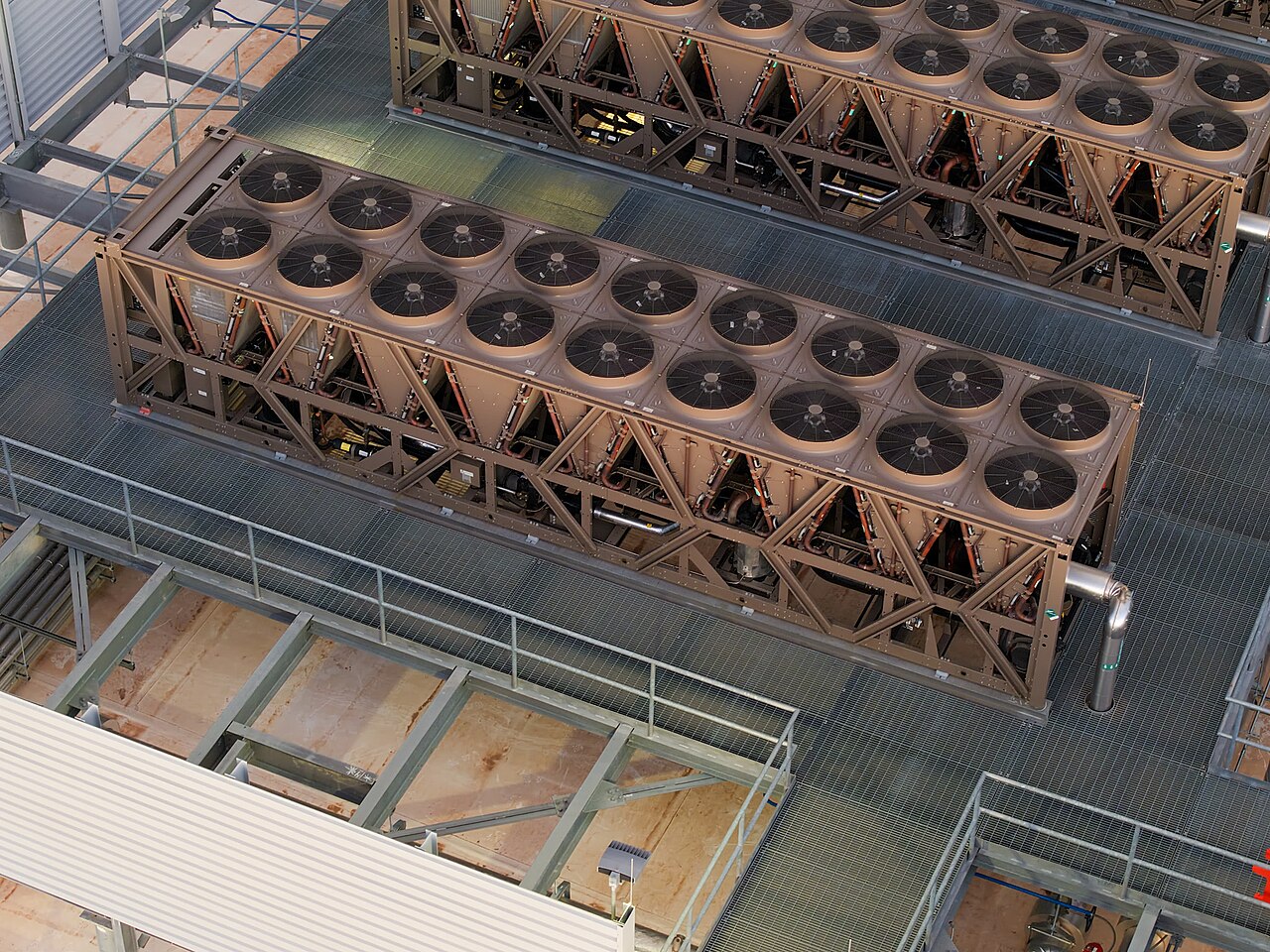
封面图作为工程示意实拍图使用,不应被理解为本文所述具体项目现场照片。
- Photo credit: Rsparks3 / Wikimedia Commons / CC0 1.0
- Source: Wikimedia Commons
- License: CC0 1.0 Universal

发布说明
发布时应保留本文给出的 credit、来源和许可说明。这里记录的许可信息基于撰稿时所核对的来源页面,最终发布合规责任仍由发布方自行确认。