
Article Masthead
- Category: Capital Projects & Optimization
- Topic: PFAS Groundwater Remediation
- Region: North America
- Signal Type: Pilot Monitoring Signal
- Published Date: 2026-09-08
- Original Source Date: 2026-09-08
01 What Happened
22 Wing North Bay の Department of National Defence PFAS pilot は、7 月に colloidal activated carbon injection を完了し monitoring phase に入った。BayToday は 9 月 8 日、DND が少なくとも 1 年間 quarterly monitoring を行うと報じた。
目的は Bedrock Valley に in-situ adsorptive treatment zone を形成すること。Federal documents では地下約 5–15 m、pilot 長さ最大約 70 m。Full-scale concept は約 250 m。
Monitoring では carbon distribution と barrier 前後の PFAS concentration を評価する。6 月 30 日の federal review は重大な adverse environmental effects の可能性は低いと判断した。
02 Key Takeaways
01 吸着能力を地下に直接配置する方式。
02 少なくとも 1 年 quarterly monitoring を実施。
03 成功すれば約 250 m PAB に拡大可能。
03 Why It Matters
この方式は pump-and-treat を減らせる可能性があるが、carbon distribution と hydraulic contact が不可欠である。Bypass、subsurface heterogeneity、PFAS ごとの adsorption affinity が性能を左右する。地下で飽和した material の交換は難しい。
04 ATLAS Engineering View
ATLAS では最初に見るべき指標は removal percentage より distribution である。Monitoring wells と concentration profiles で plume が処理帯を通ることを確認する必要がある。Activated carbon は PFAS を adsorb するが destroy はしない。
05 Sources
- BayToday — PFAS treatment injections complete at 22 Wing as monitoring begins — September 8, 2026
- Impact Assessment Agency of Canada — Installation of a Permeable Adsorptive Barrier at 22 Wing North Bay
- Impact Assessment Agency of Canada — Public Comment Period on Intent to Make a Determination — April 28, 2026
- Department of National Defence — PFAS at Jack Garland Airport and 22 Wing North Bay
画像の出典と使用上の注意
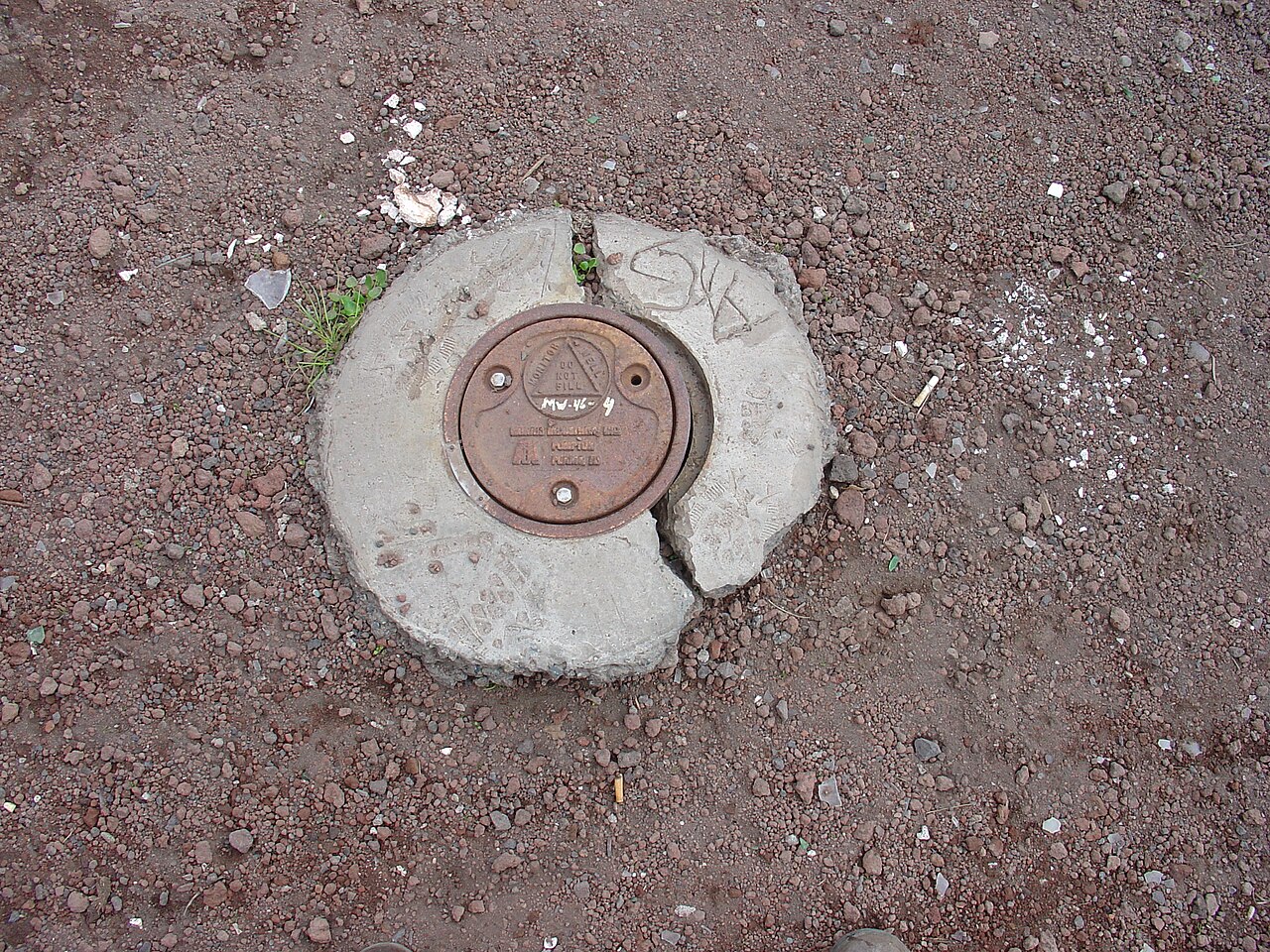
カバー画像は技術的な参考写真として使用しており、本記事で扱う具体的なプロジェクト現場の写真ではありません。
- Photo credit: David Winandy / NOAA / U.S. National Archives / Public Domain
- Source: Wikimedia Commons
- License: Public Domain

公開時の注意
公開時には、本記事に記載したクレジット表記と出典・ライセンス情報を保持してください。ライセンス情報は執筆時点で確認した元ページに基づいていますが、最終的な公開責任は掲載者にあります。